 English
  Deutsch
 Research
What exists beyond the Standard Model, and how can we see it?
-
Collider phenomenology
1 / 5
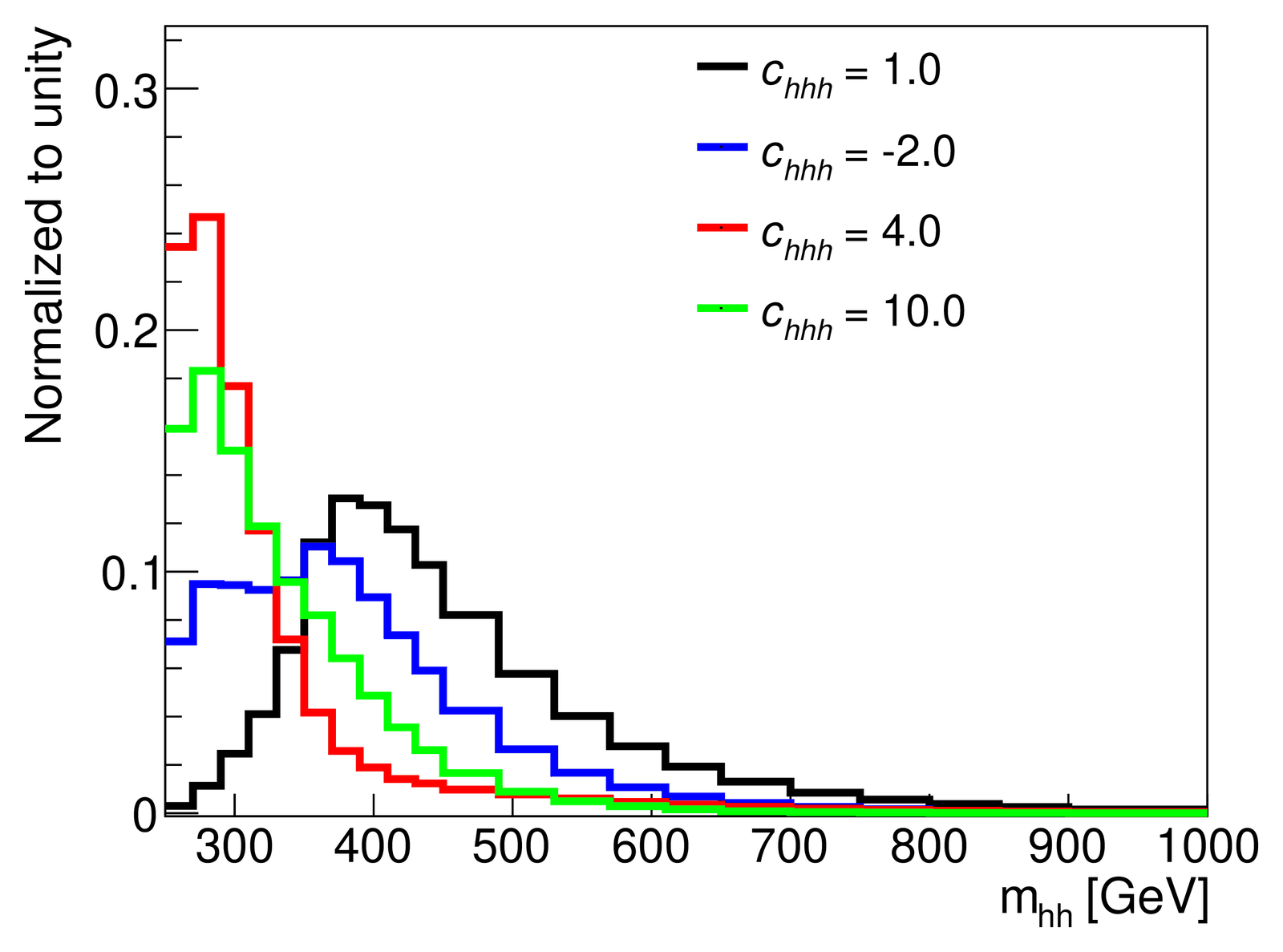
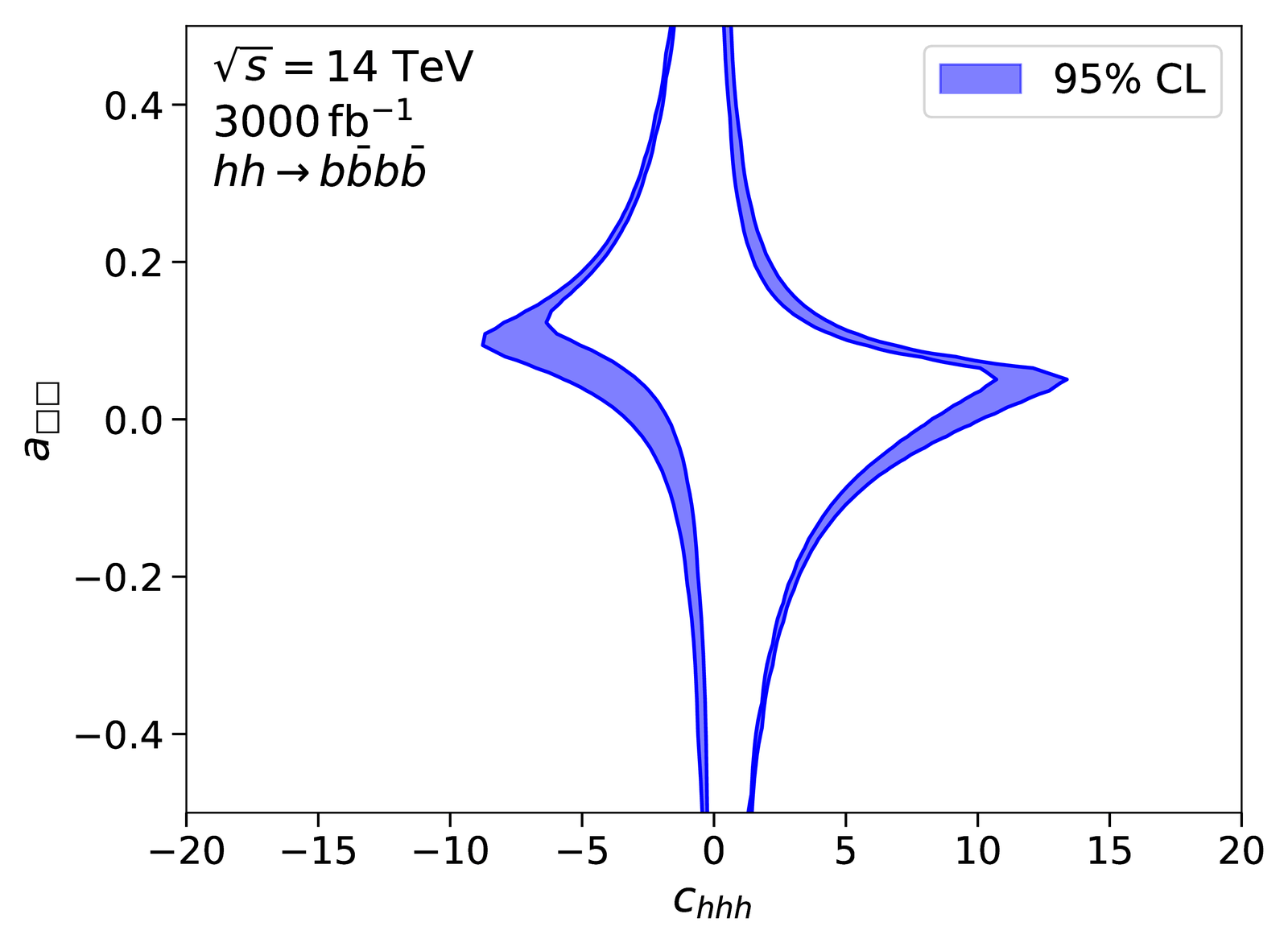
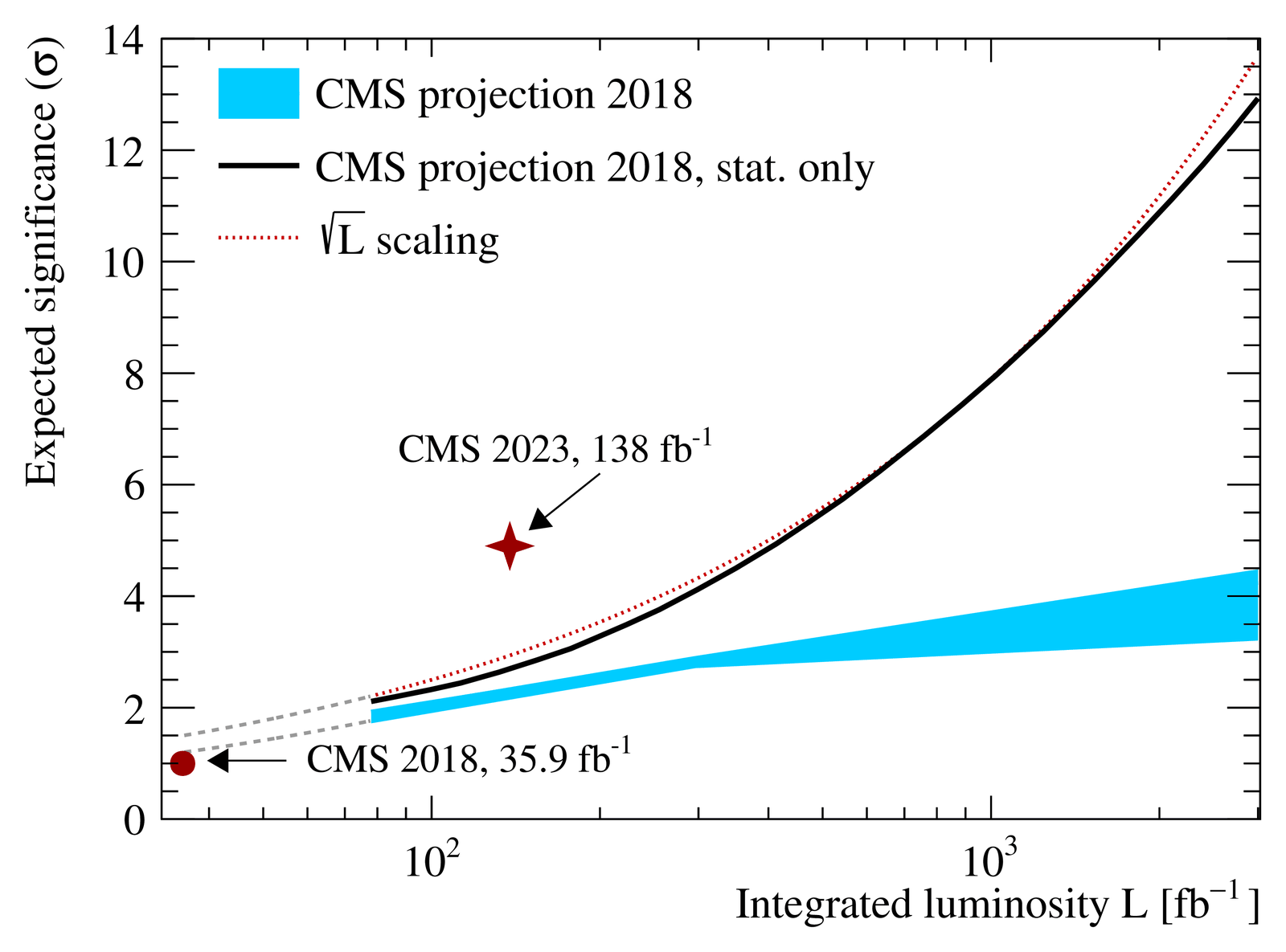
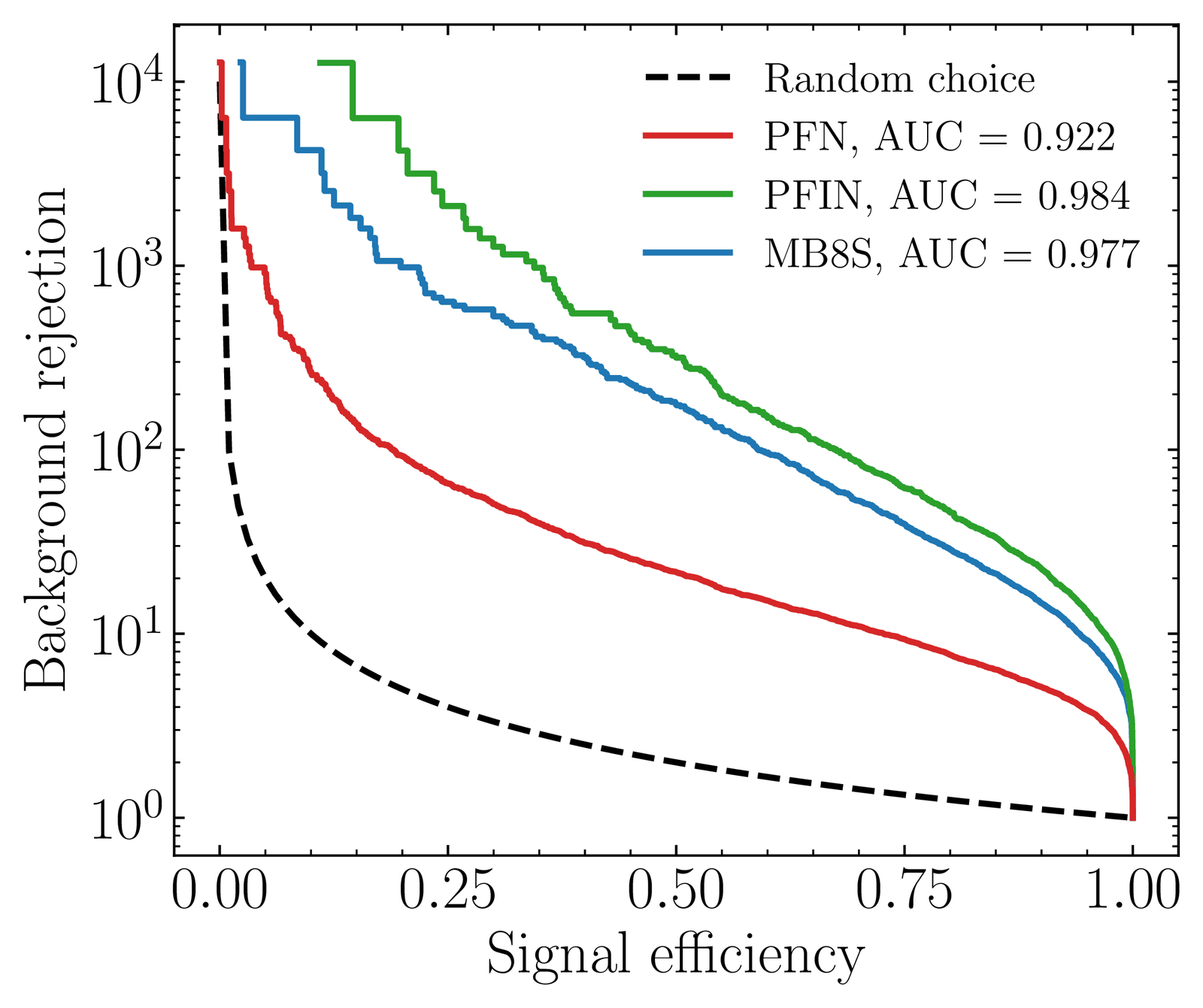
We study the Higgs self-interaction and its implications for the stability of the electroweak vacuum. To constrain this interaction, we use deep learning to distinguish rare Higgs-pair events in which both Higgs bosons decay to bottom quarks from the much larger background of quark and gluon jets at the LHC. In the past, we have also shown how percent-level deviations in Higgs couplings to other particles could reveal new physics beyond the LHC’s direct reach, and examined how future colliders could test these effects.
-
Beyond the Standard Model
1 / 5
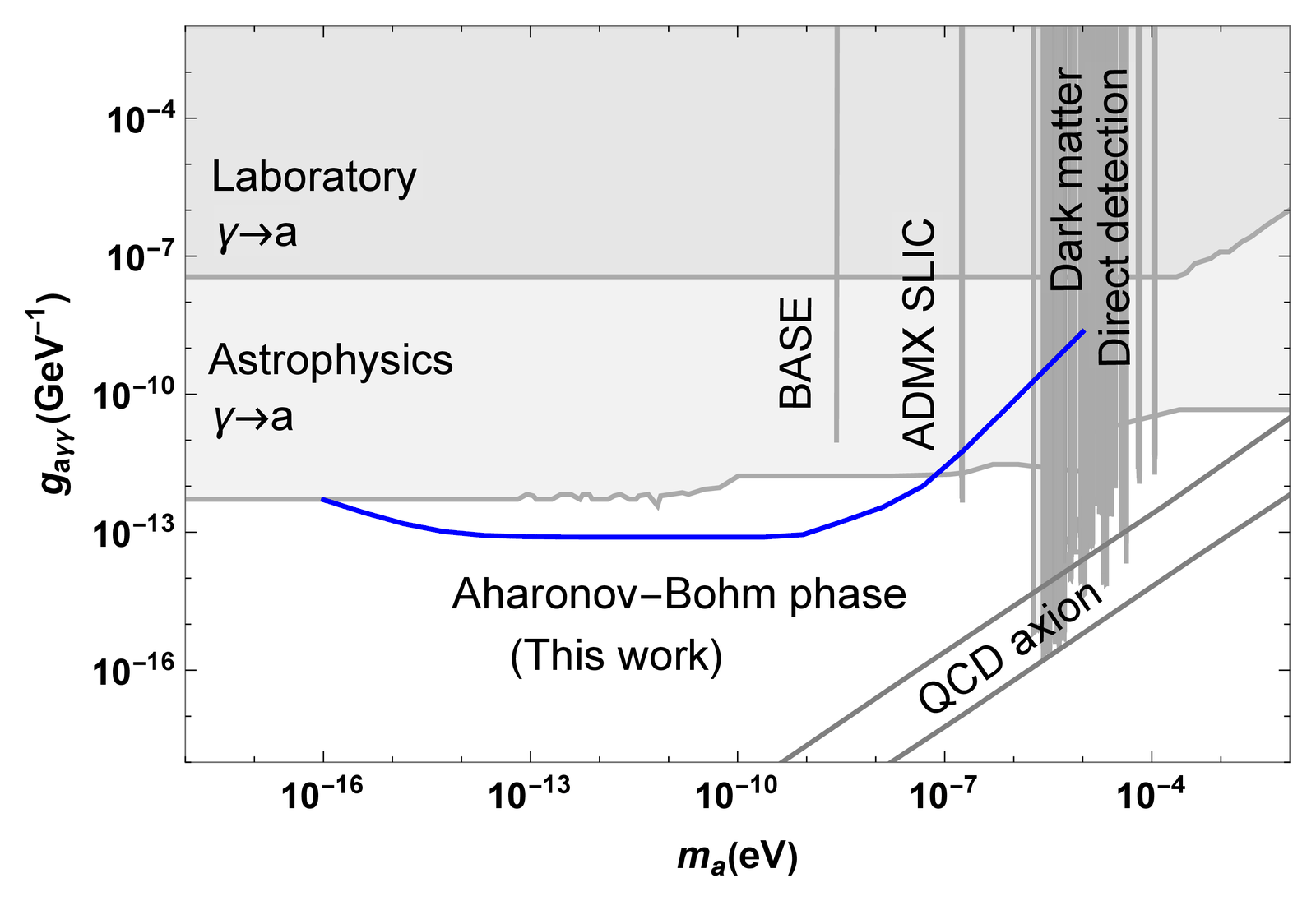
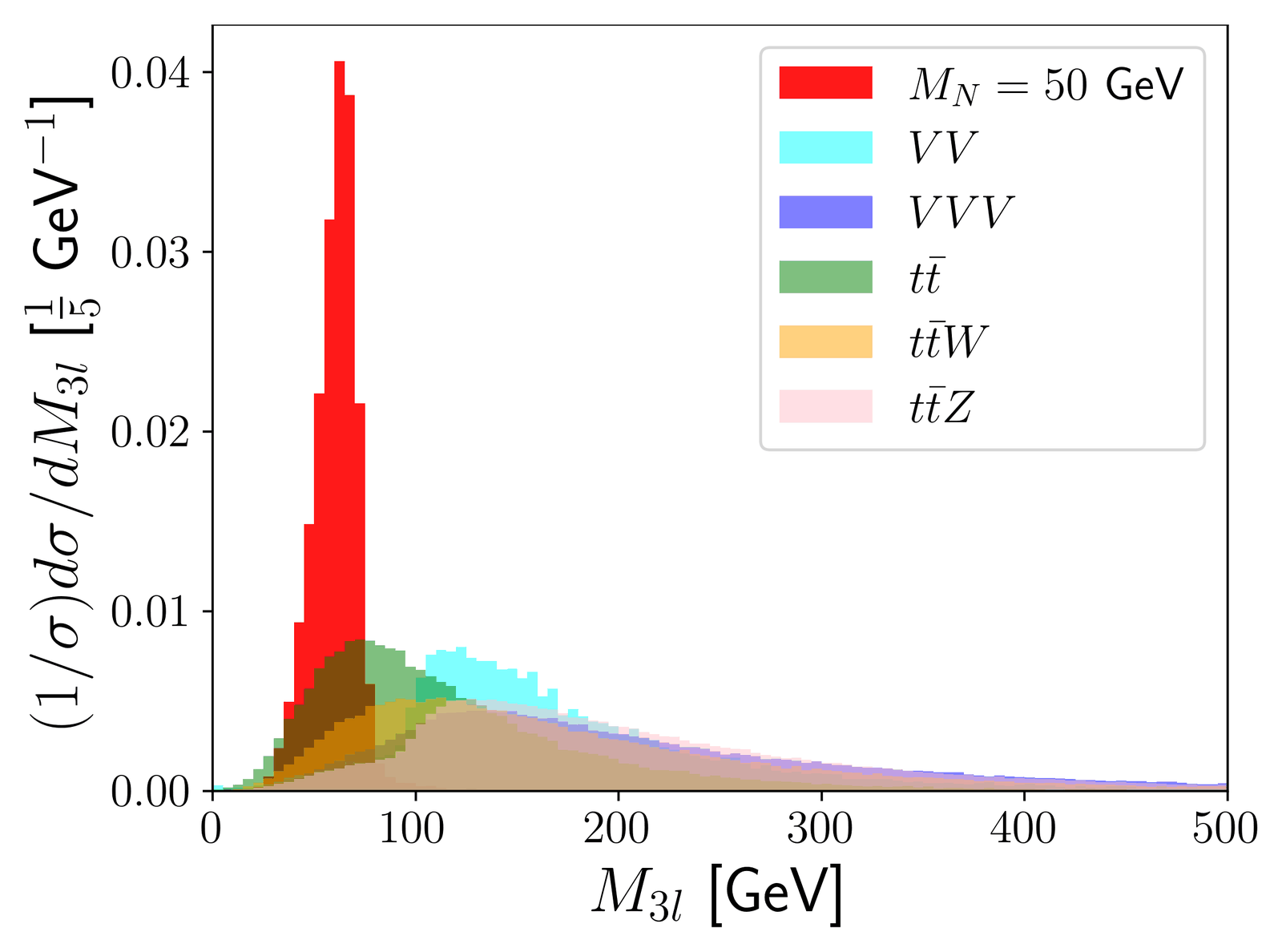
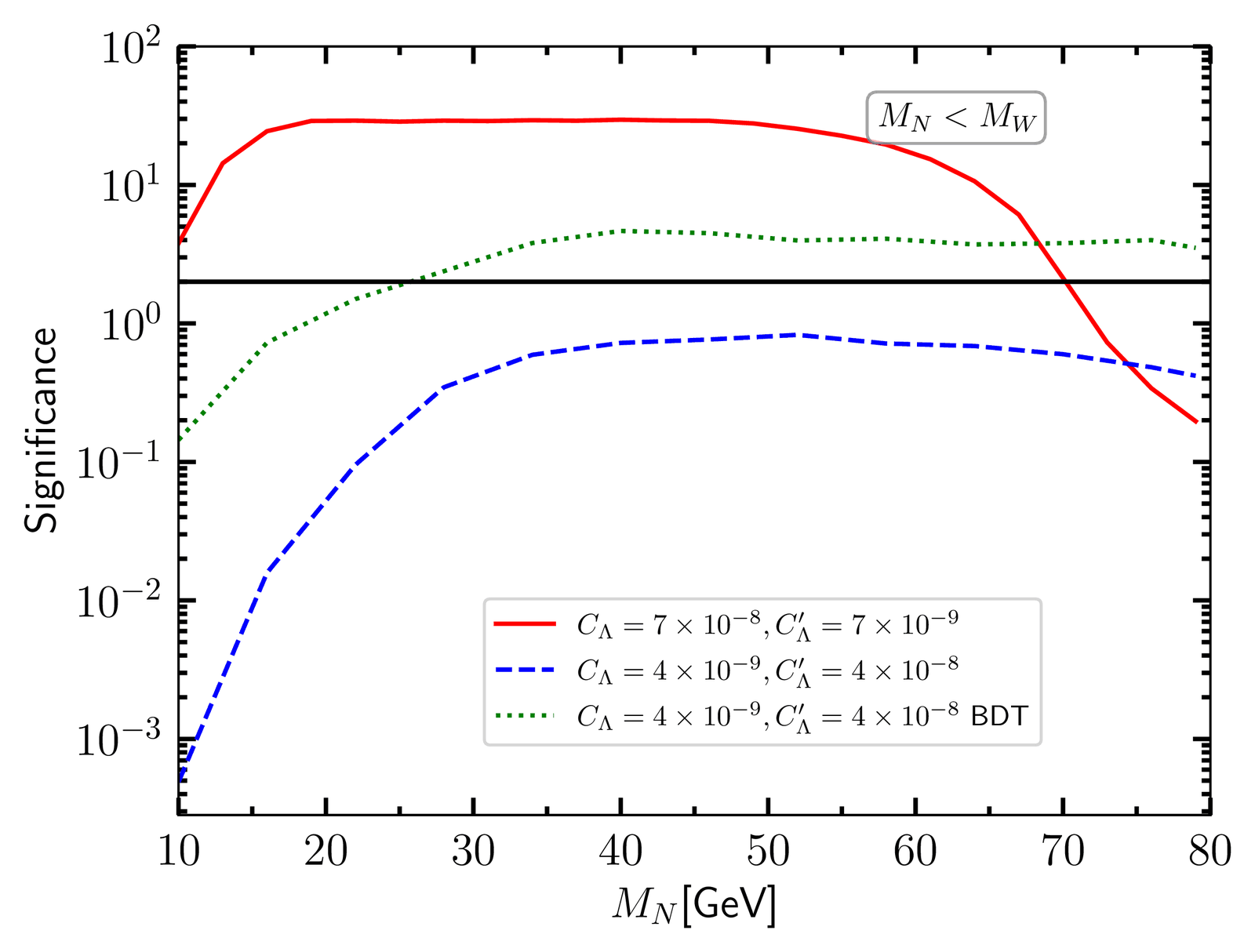
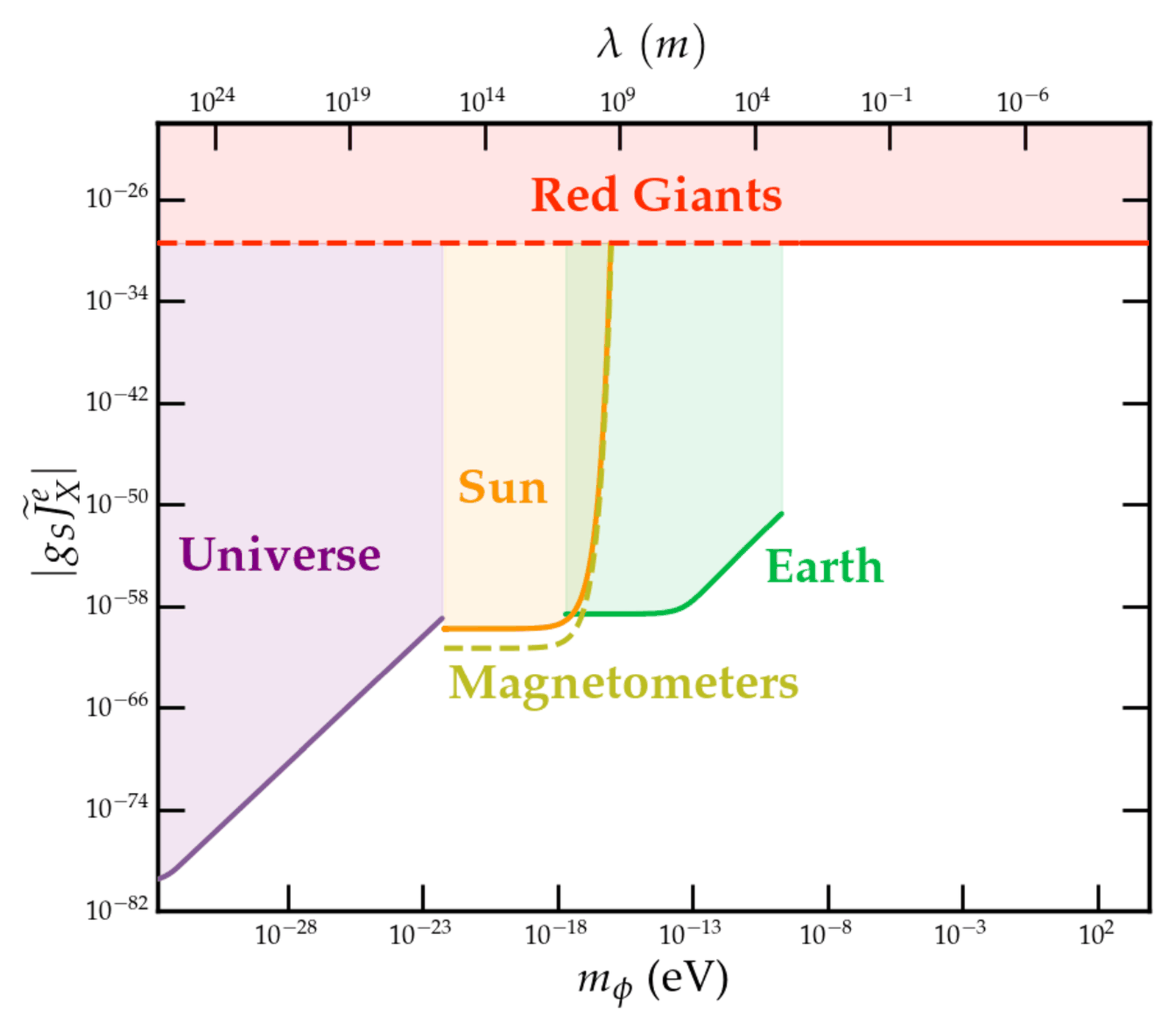
We study extensions of the Standard Model that address neutrino masses and the nature of dark matter, and determine how they could be tested experimentally. In past work, we have investigated how heavy right-handed neutrinos, which could explain the small masses of ordinary neutrinos, might be detected at the LHC in events containing three leptons. We have also proposed searches for ultralight axion-like particles that could constitute dark matter, using sensitive quantum devices similar to those used in quantum computers.
-
Machine learning for physics
1 / 5
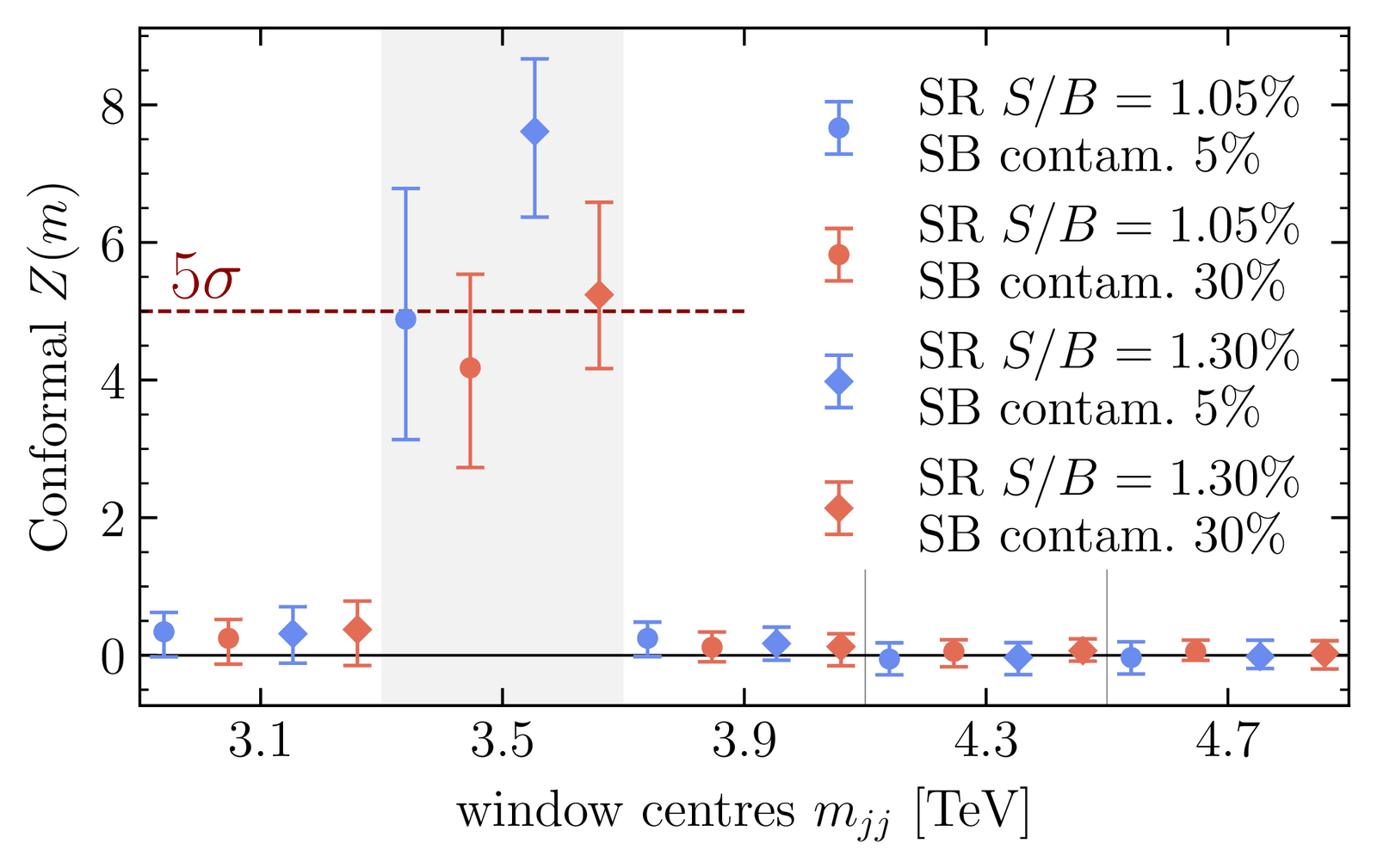
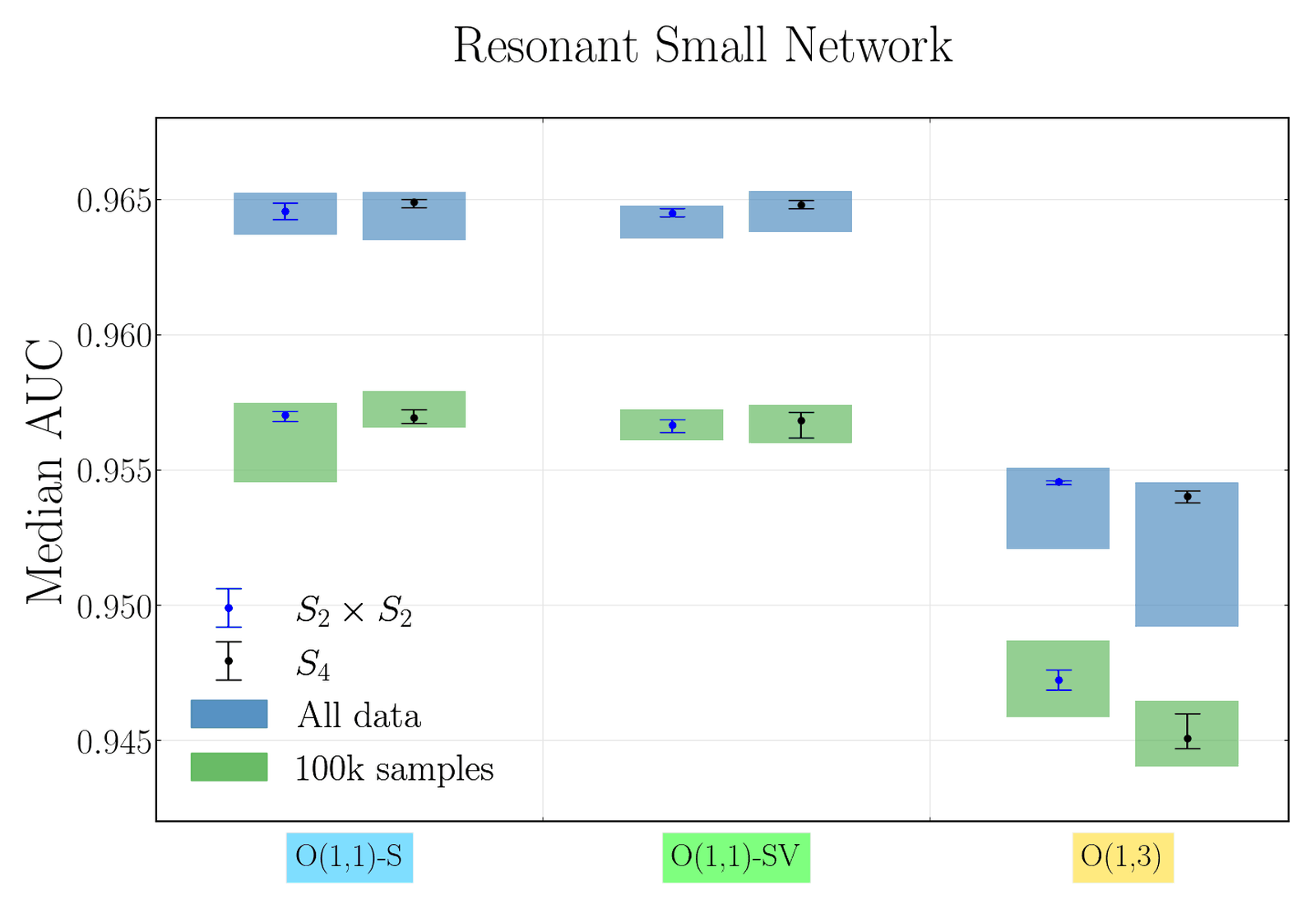
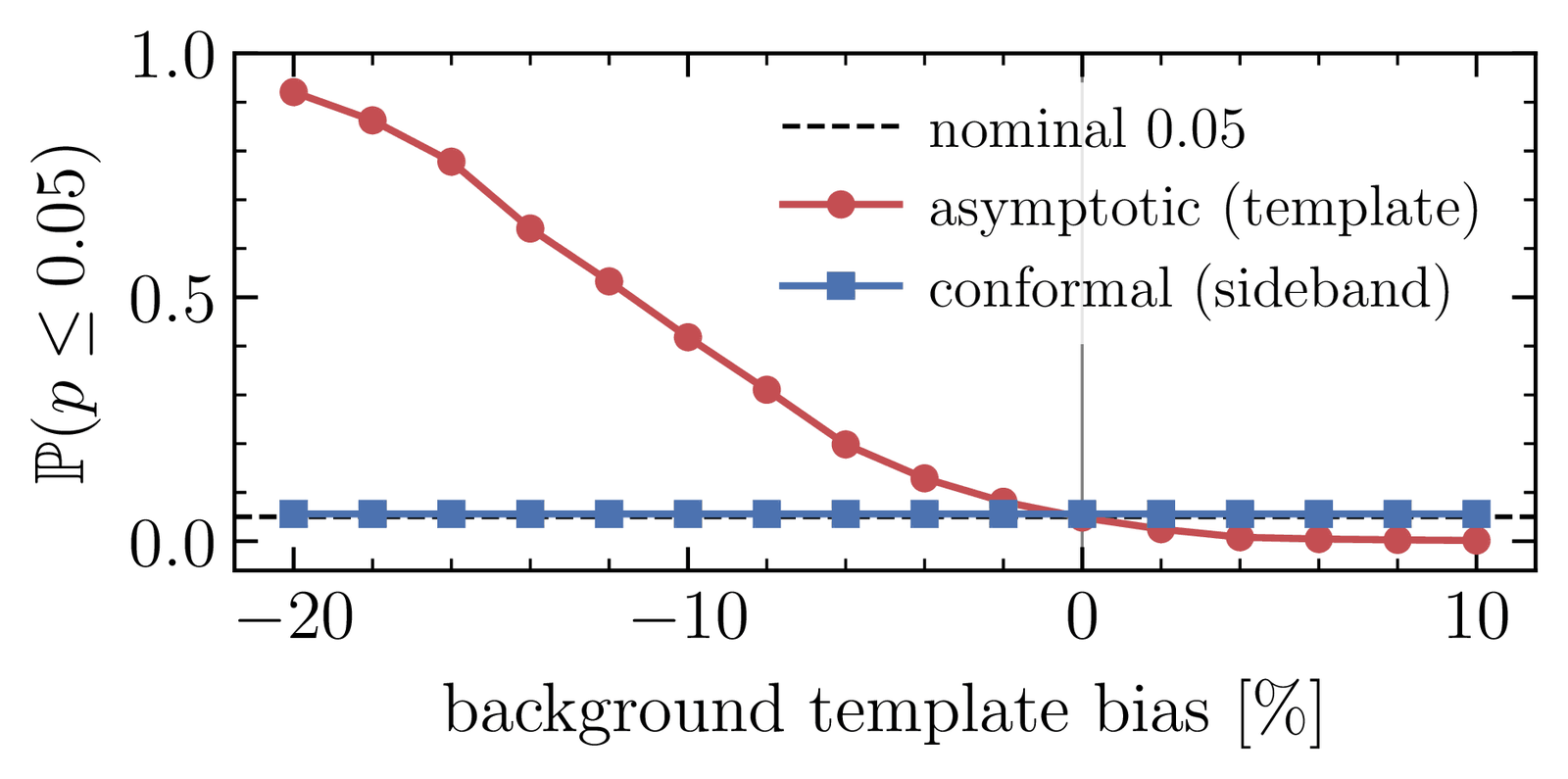
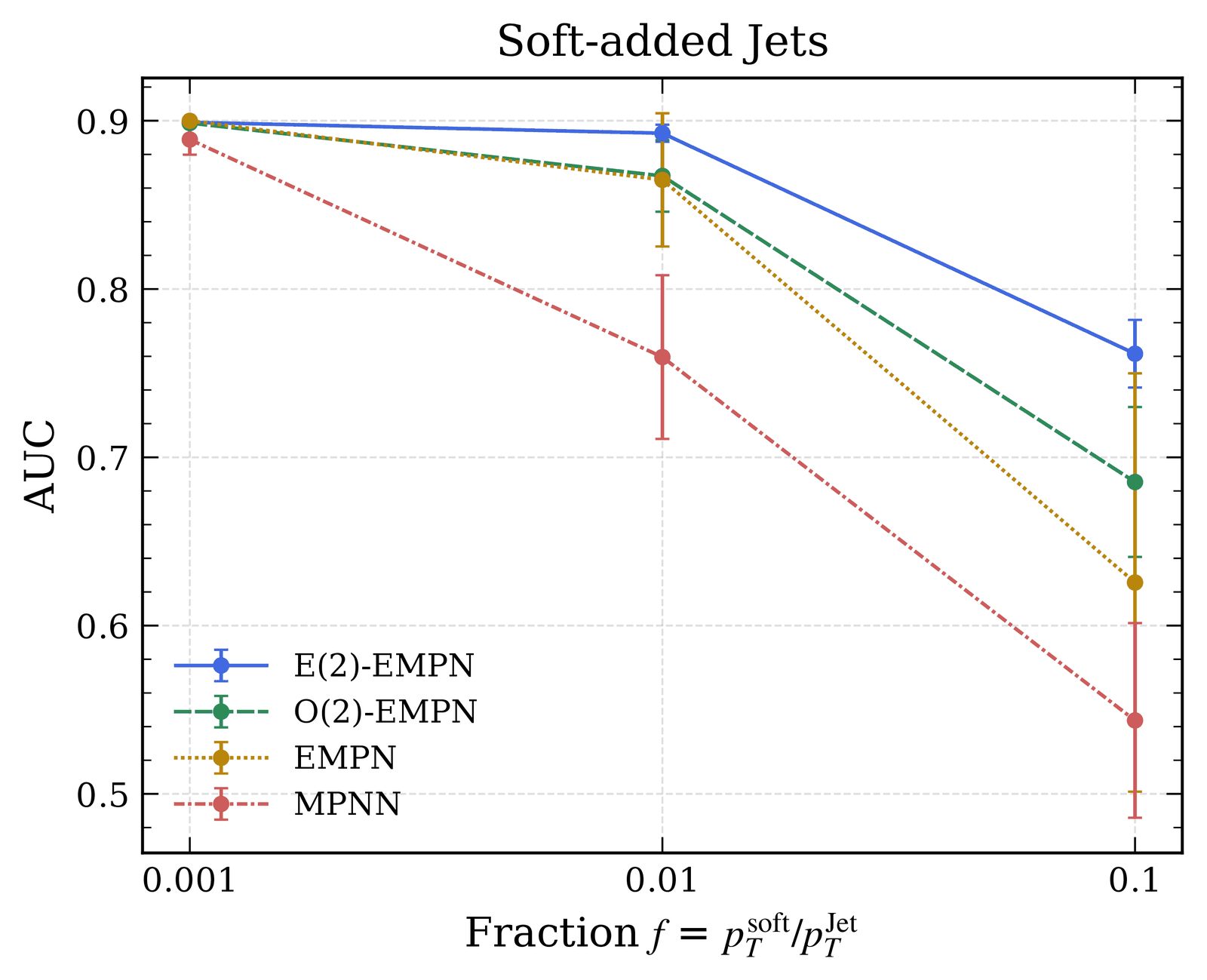
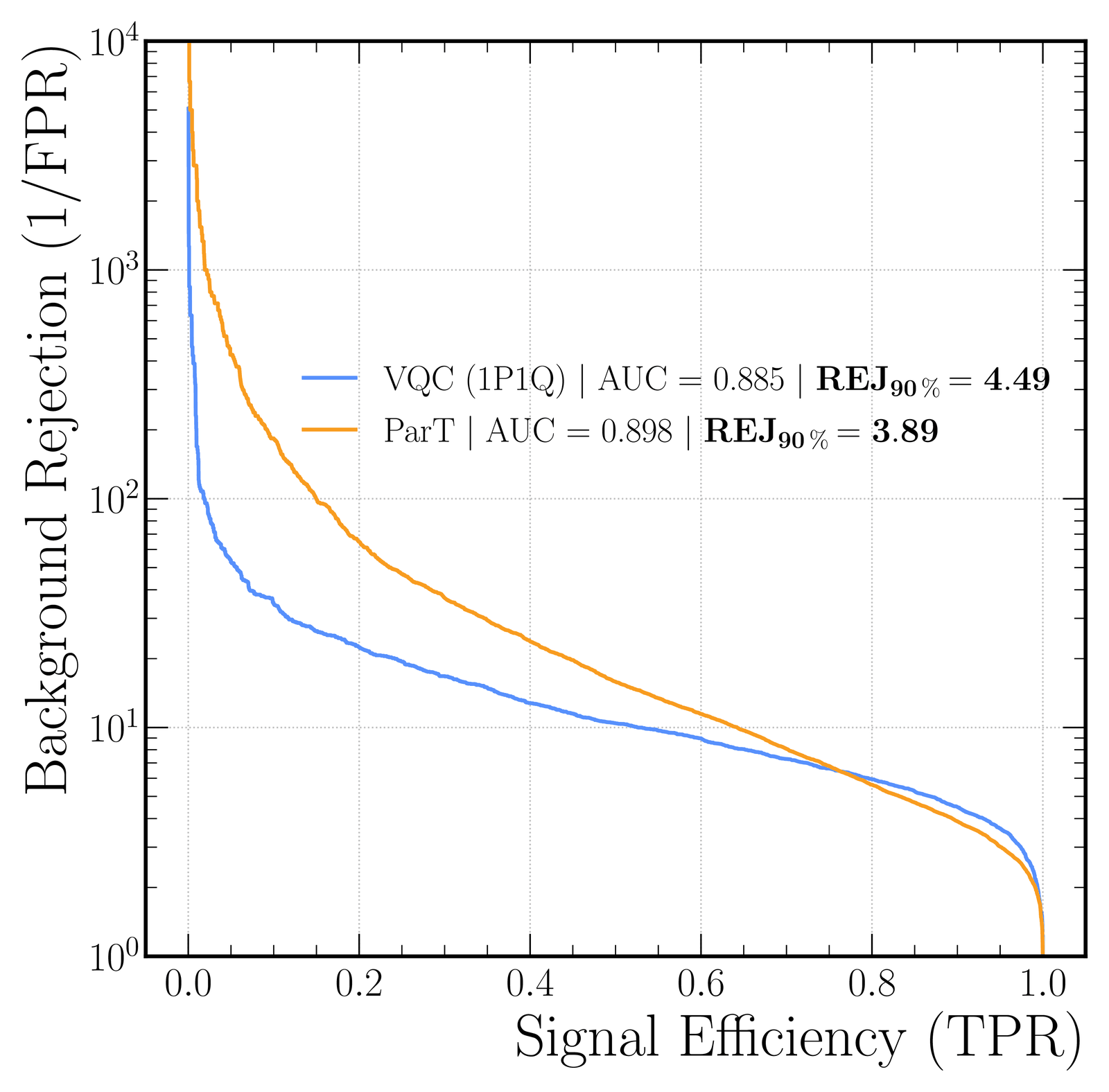
We develop machine-learning methods to identify rare signals in large collider datasets while reducing the risk that networks rely on correlations unrelated to the underlying physics. We incorporate known physical properties, such as collision symmetries, into our network architectures. In previous work on a rare Higgs process, we showed that such a network matched or exceeded the accuracy of a conventional network with substantially fewer parameters. We also adapt statistical methods to calibrate anomaly detectors and assess the significance of potential signals, accounting for effects introduced by the algorithm and by searching across multiple regions of the data.
-
Quantum simulation & computation
1 / 5
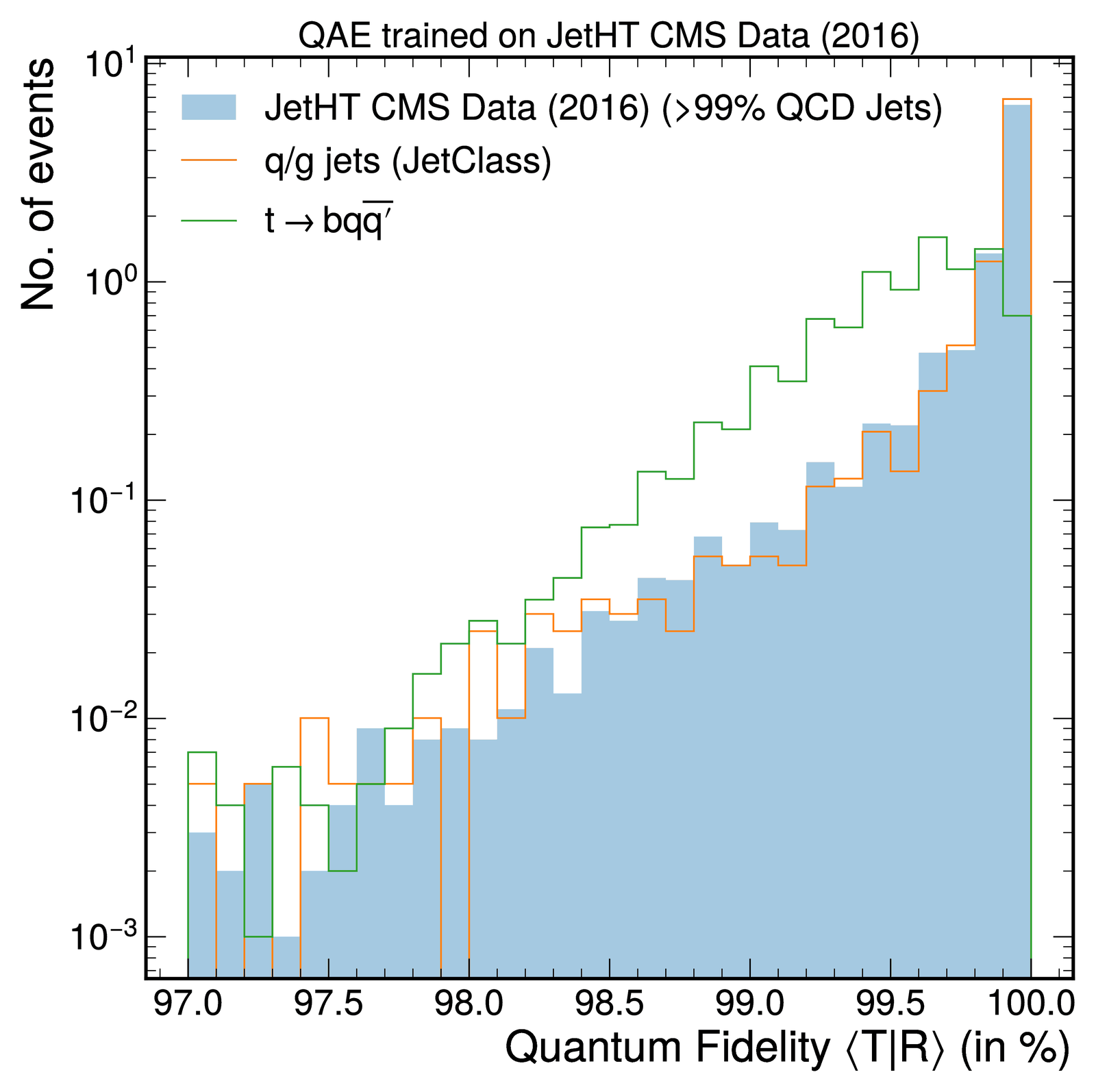
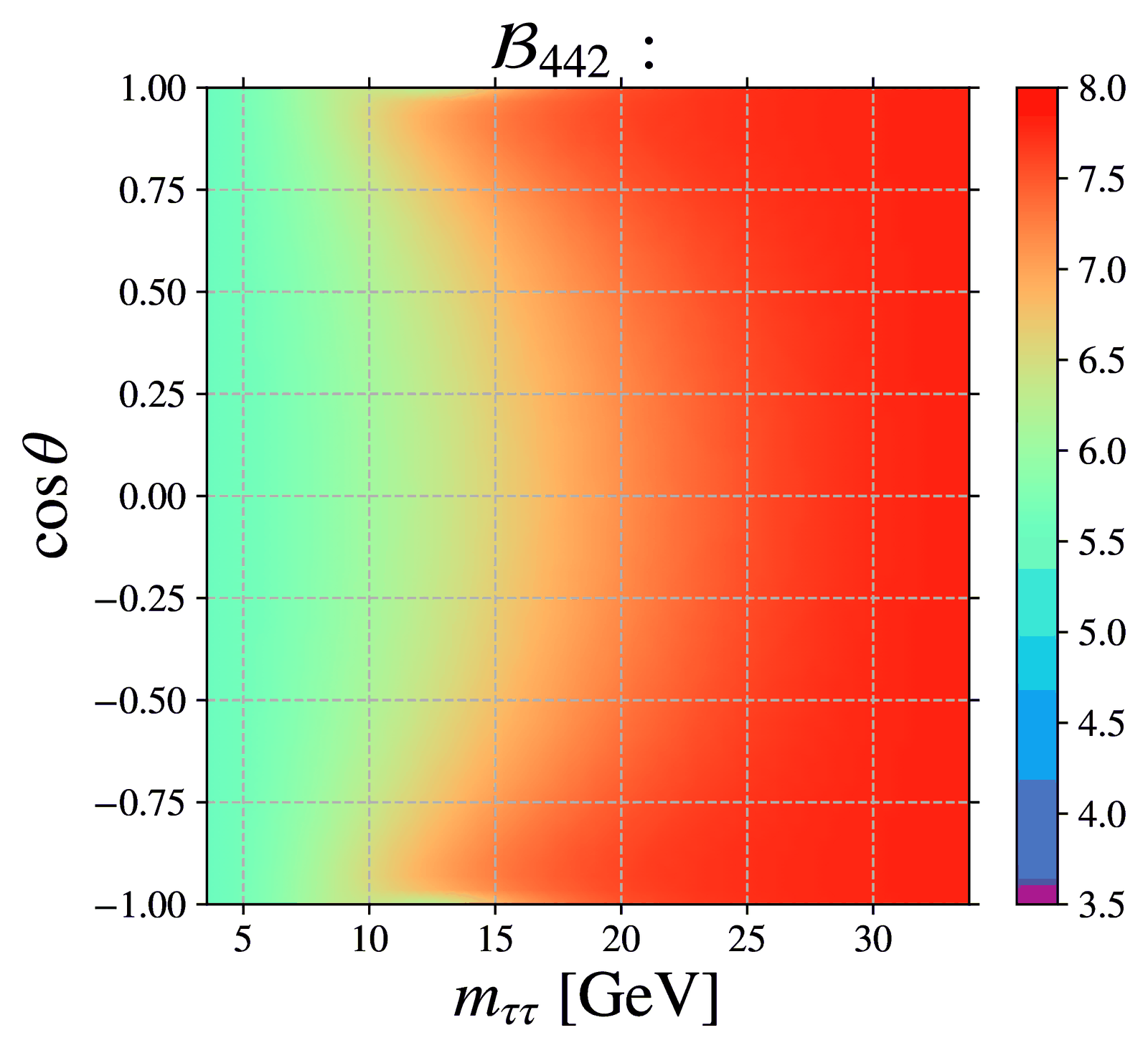
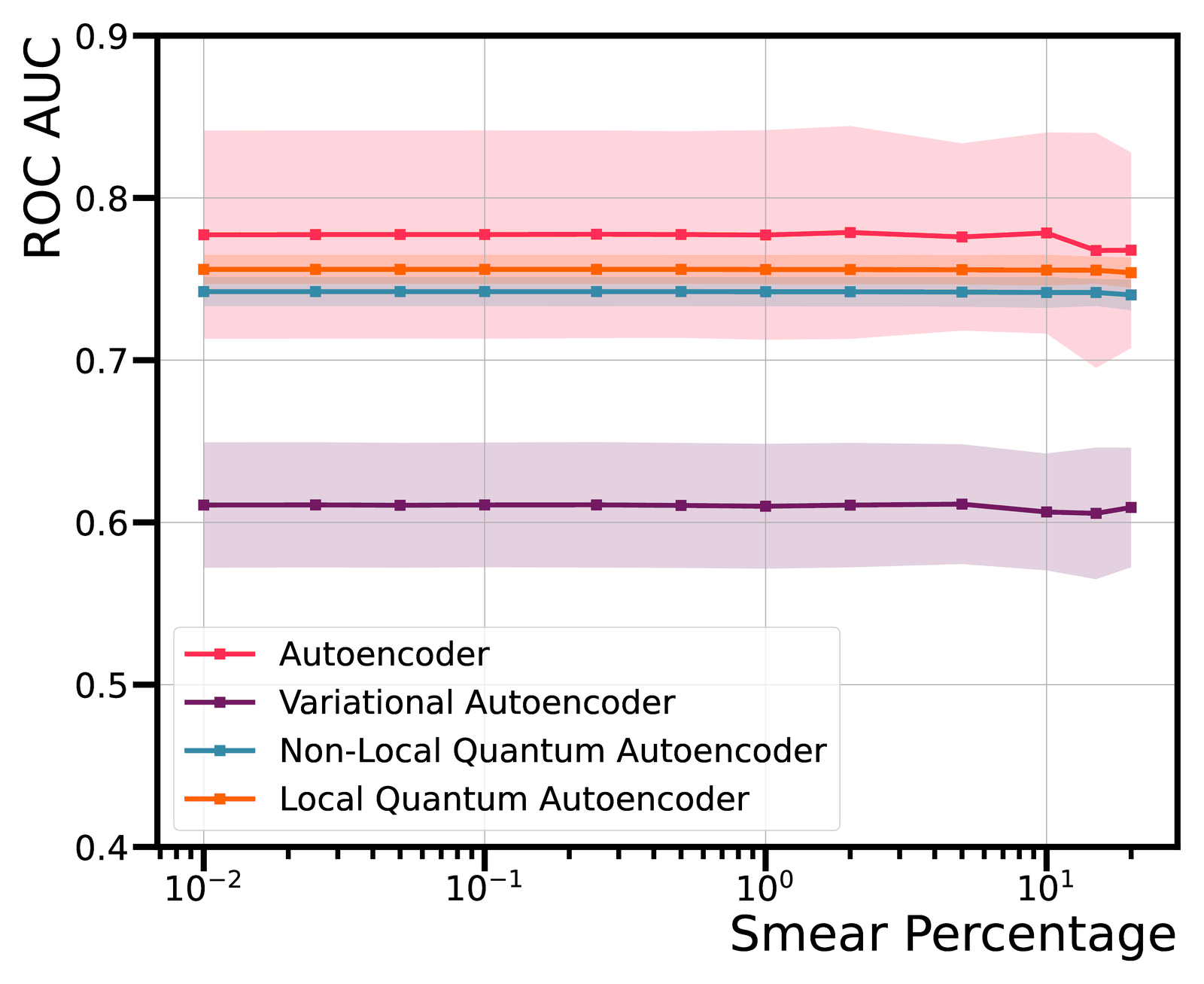
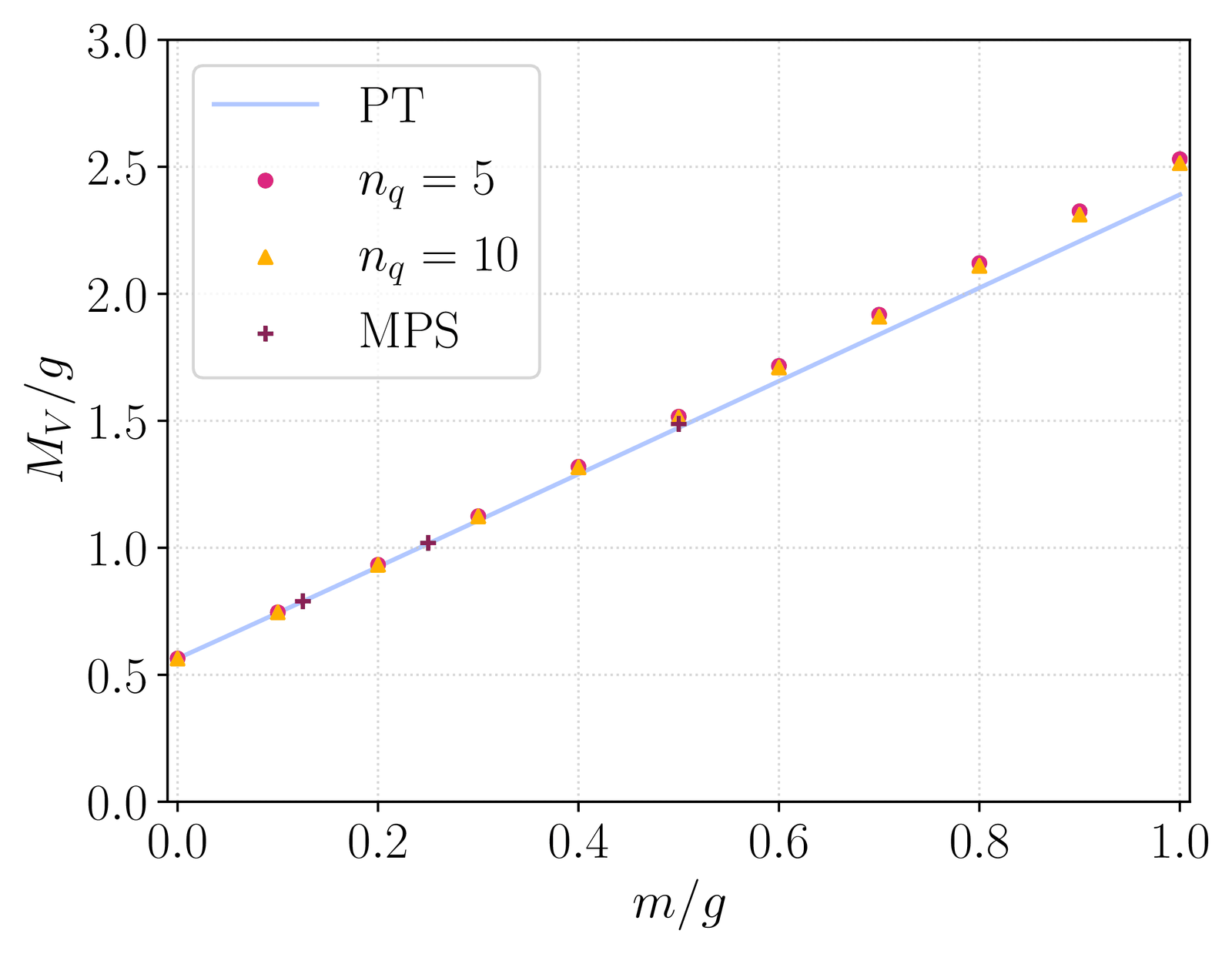
We investigate quantum computing methods for simulating particle showers and analysing collider data. In previous work, we simulated successive particle splittings within a jet on quantum hardware and compared the results with collider measurements. We have also tested quantum anomaly-detection algorithms on CMS data from the LHC and studied how certain Higgs boson decays could, in principle, distinguish quantum-mechanical predictions from those of local hidden-variable theories. We currently develop classical machine-learning methods informed by quantum physics, with the aim of improving tasks such as jet classification.
-
Effective field theory
1 / 5
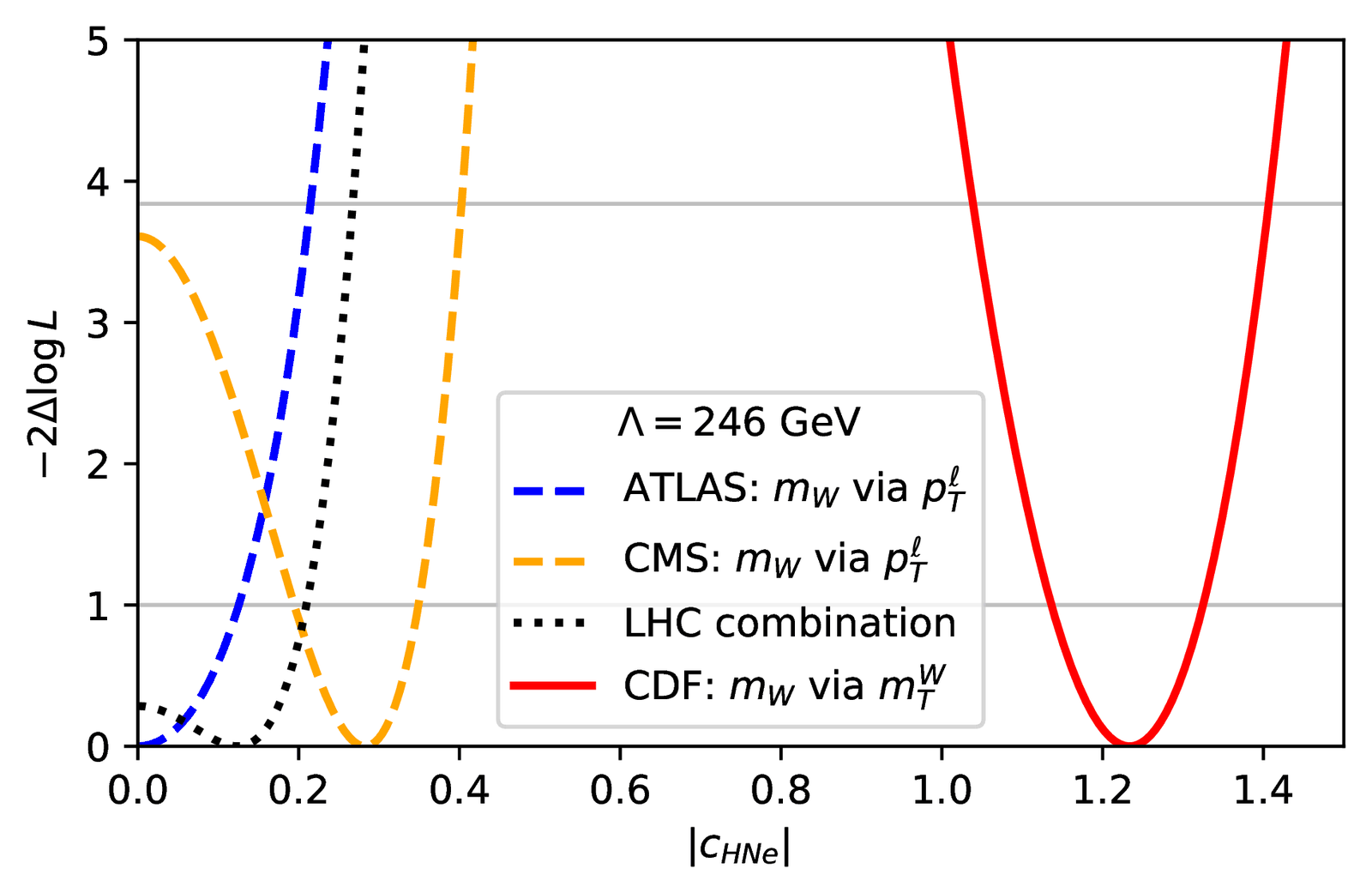
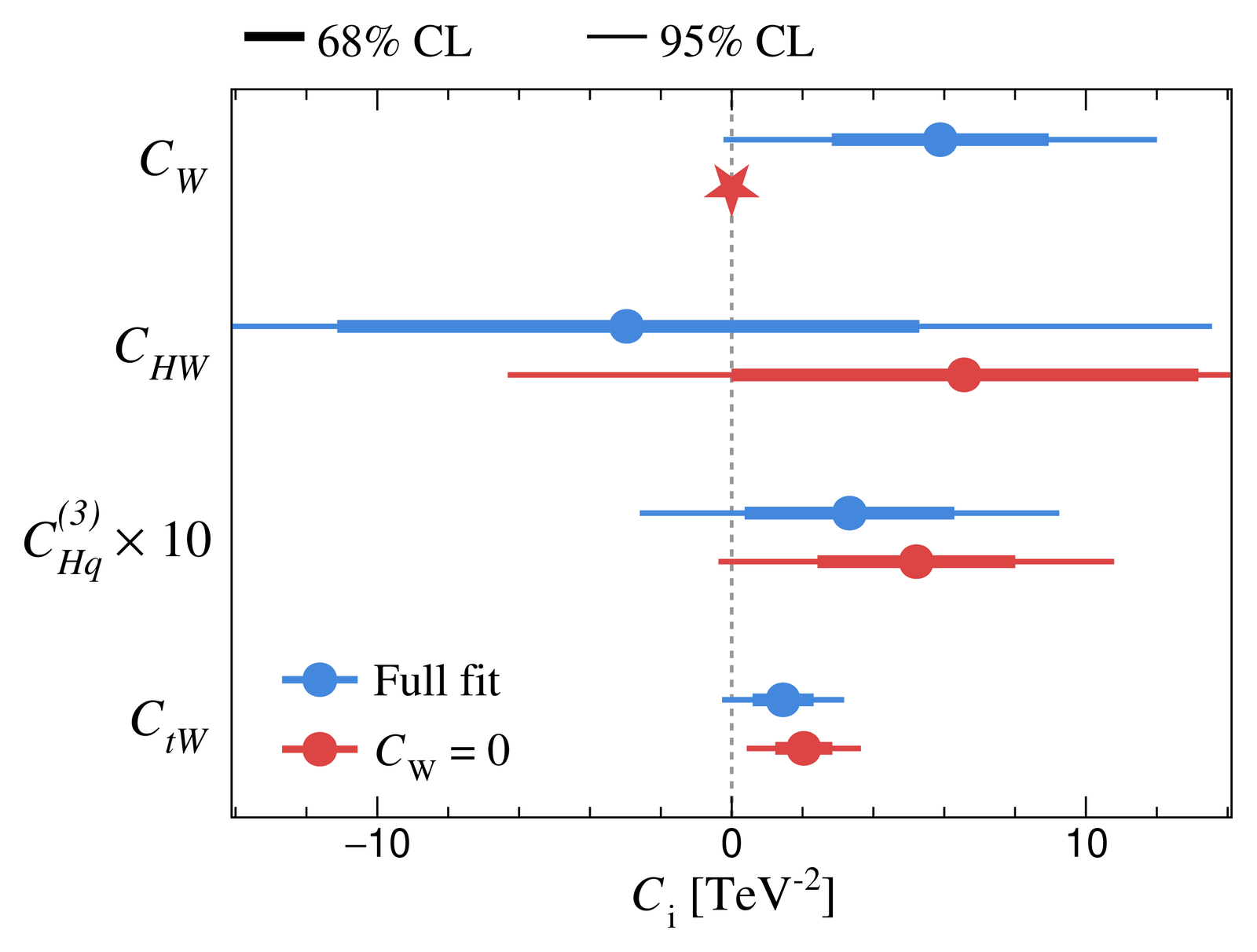
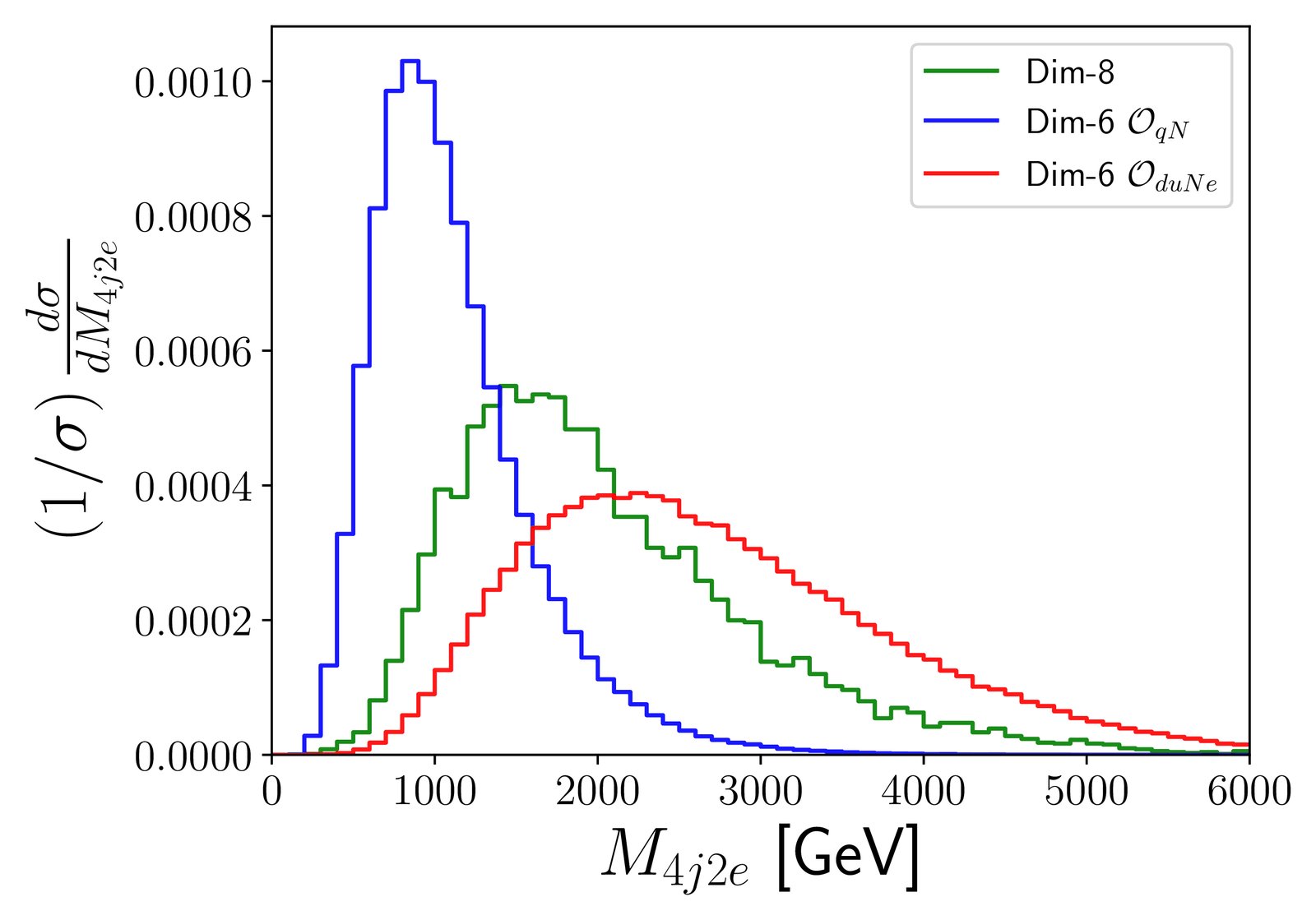
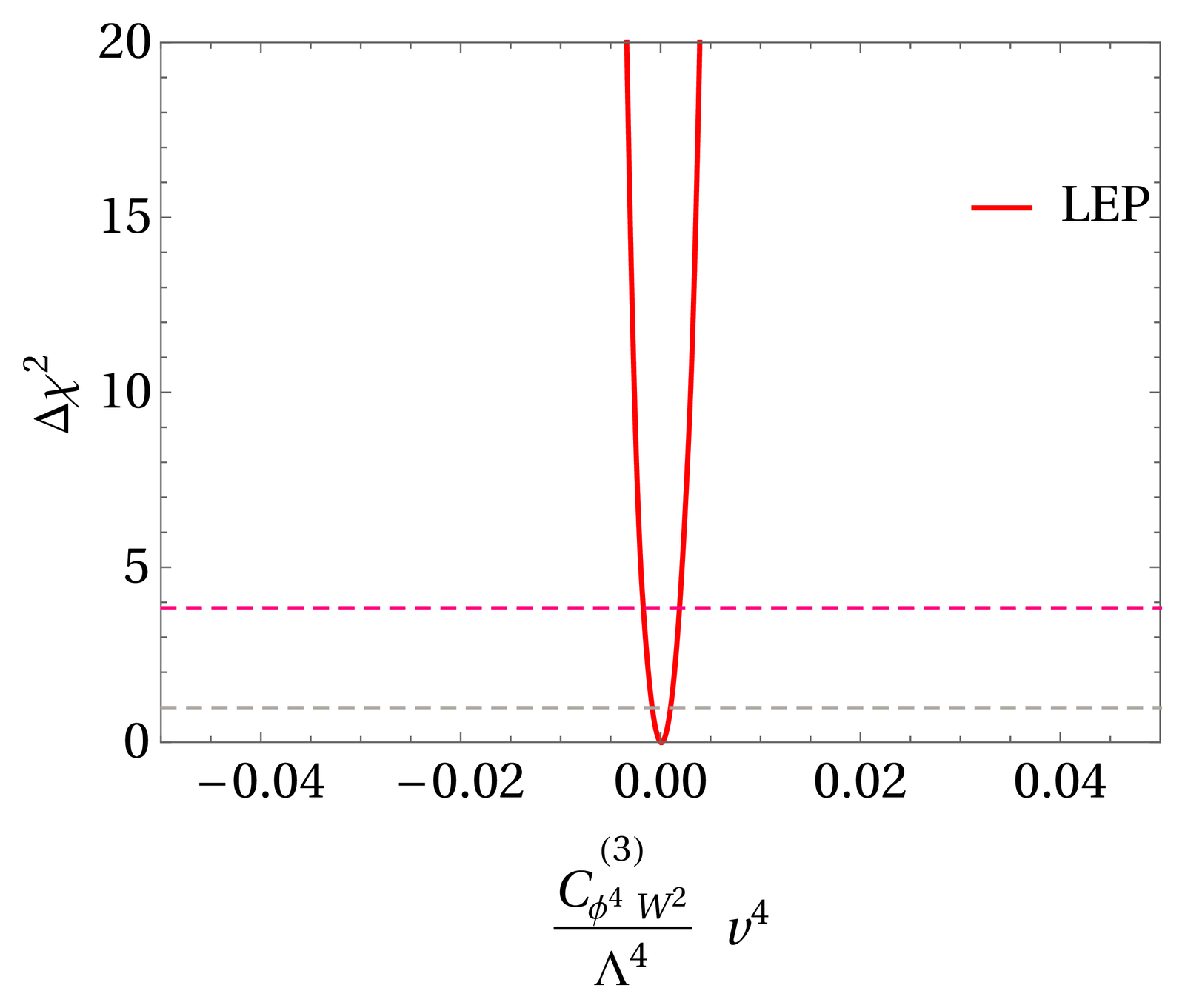
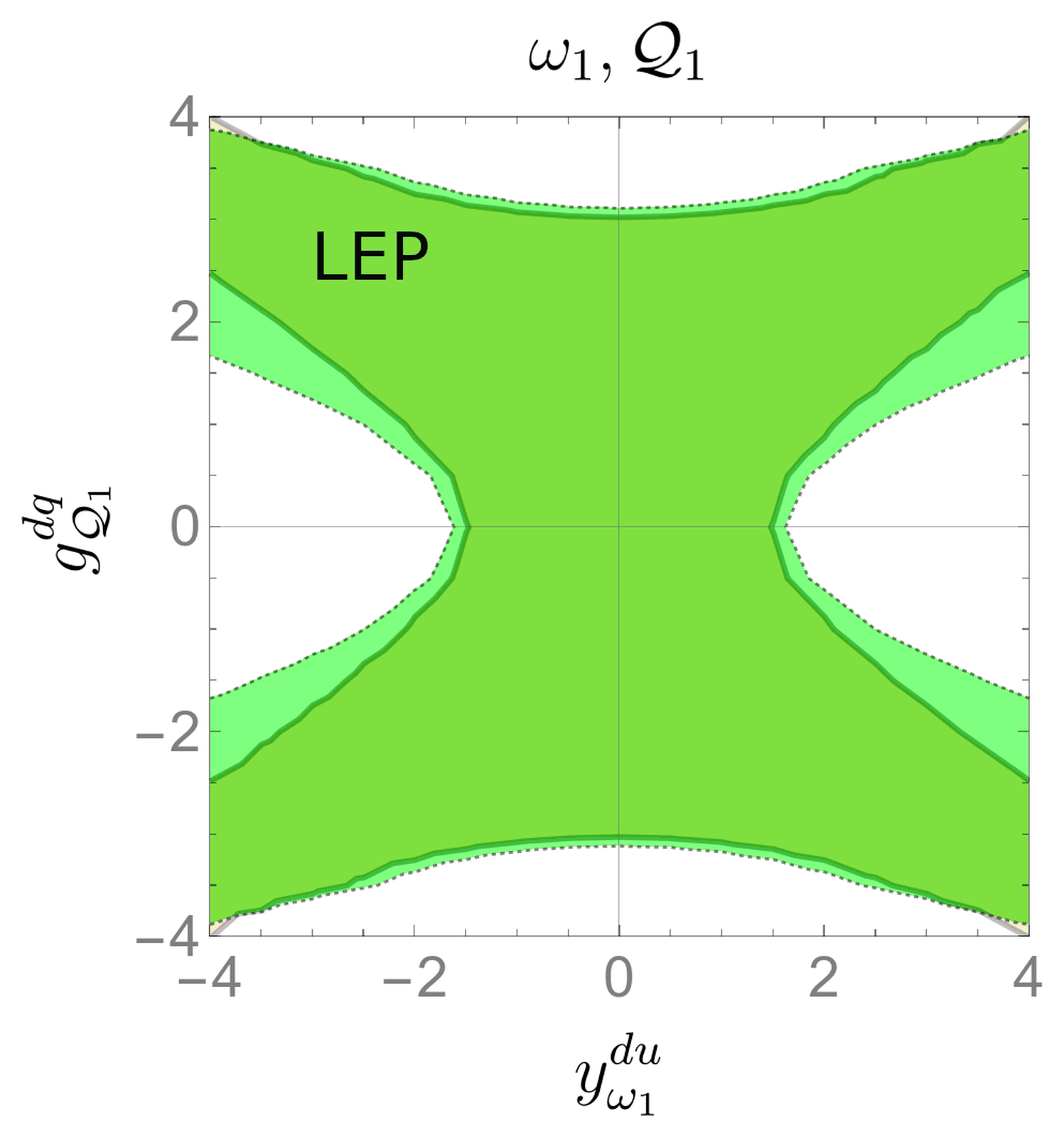
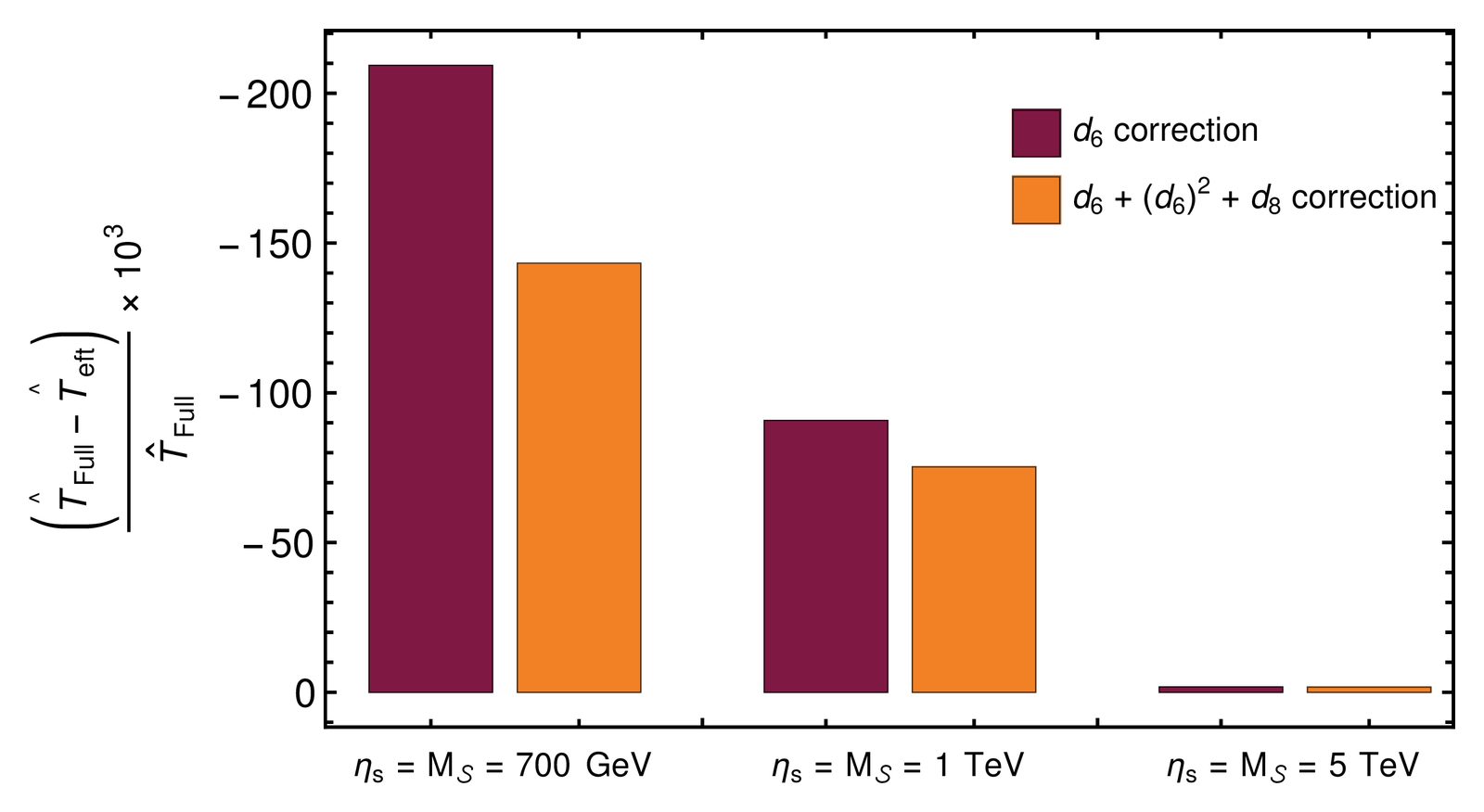
We use effective field theory to study how particles too heavy to be produced directly at the LHC could affect measurable processes through virtual quantum effects. This framework allows us to describe such effects without choosing a specific model of new physics. We classify the contributions to observables beyond the leading approximation and connect specific models to the effective description by integrating out their heavy particles.